
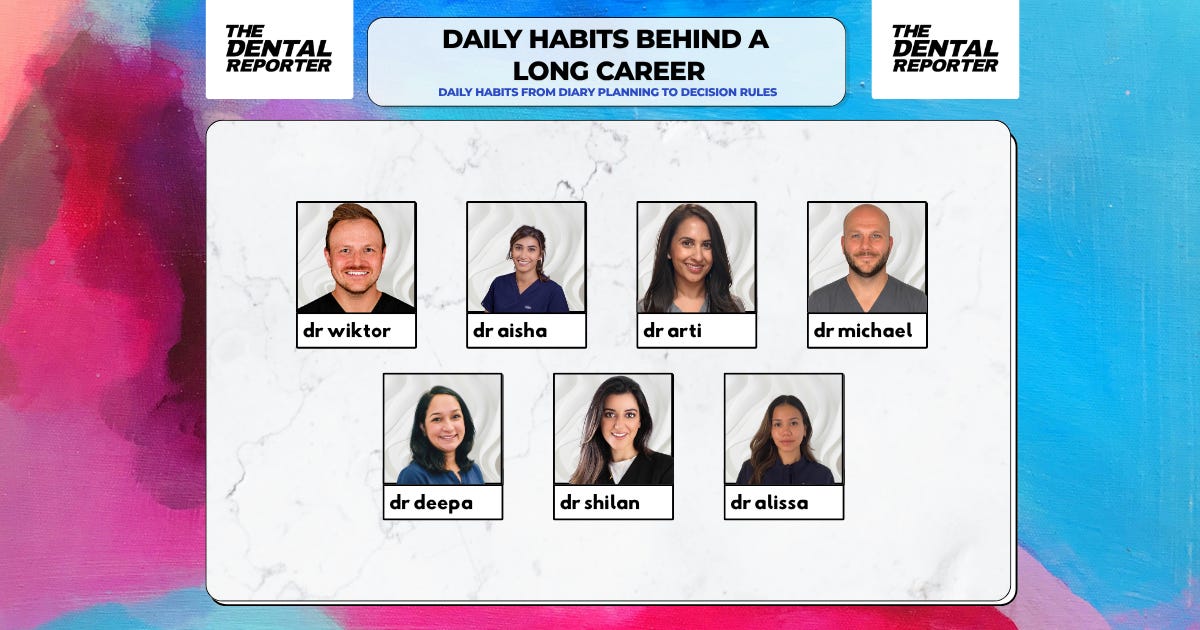
We asked seven clinicians what holds their performance steady across a working week, and their answers were replicable with clear gain in clarity and productivity. Starting with a five-minute huddle with a nurse, notes dictated mid-appointment, handing over a case to someone better placed to take it, and recurring gym sessions.
What sits underneath those routines is the more useful part. Each one replaces a reactive approach with proactive measures, whether that is a surprise in the diary, a detail held in memory, or a decision taken under pressure. The practices differ but the reasoning does not.
Contributors
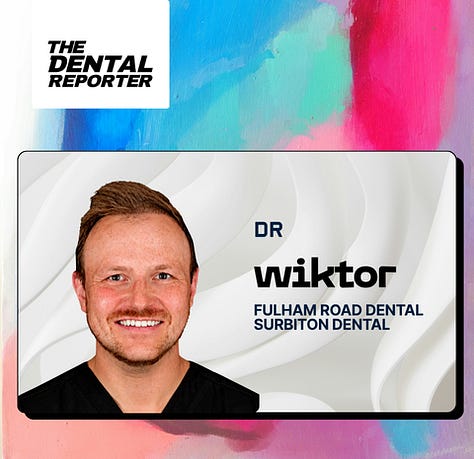
Dr Wiktor Pietraszewski, Fulham Road Dental & Surbiton Dental, GDC: 280702
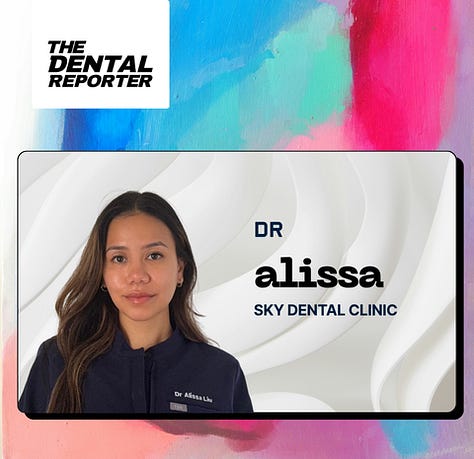
Dr Alissa Liu, Sky Dental Clinic, GDC: 297749
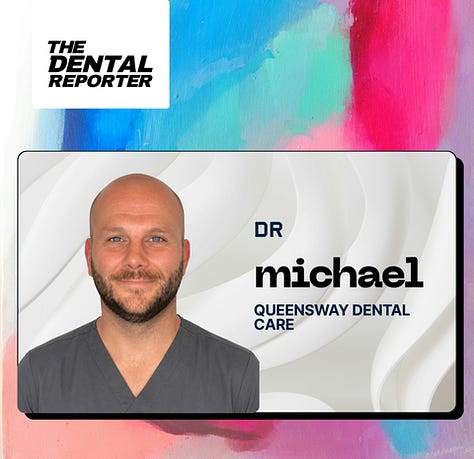
Dr Michael Davies, Queensway Dental Care, GDC: 258888
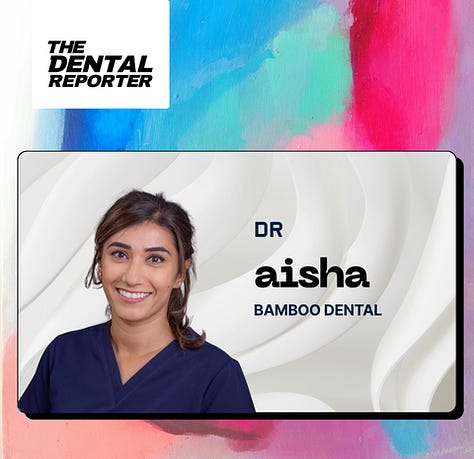
Dr Aisha Sheikh, Bamboo Dental, GDC: 271101
Dr Arti Patel, Bushey Heath Dental & Holmer Green Dental, GDC: 252171
Dr Deepa Patel, Bupa Dental Care Stretton, GDC: 243622
Dr Shilan Aziz, Marlow Dentist, GDC: 285295


How do dental associates plan their day before it starts?
The day is settled before the first patient arrives
Diary review appeared in six of the seven responses, in four different forms.
Dr Wiktor, Fulham Road Dental and Surbiton Dental, packs his bags, cleans his scrubs and charges his camera and equipment the night before. He also looks through the treatments coming up that week, which gives the complex cases time to settle in his mind before he meets them. “I try to remove as much unnecessary stress as possible by preparing the night before,” he said.
Dr Shilan, Marlow Dentist, Dentopedia Group, runs the same check at the start of the clinical day and is clear about why. “I like knowing what’s coming rather than simply reacting to the day as it happens,” she said.
At Queensway Dental Care, Dr Michael has turned the review into a five to ten minute huddle with his nurse, covering patients and treatments before anyone sits in the chair. His version of the principle is direct: “Check the day before or week before so you know what you are walking into.”
Dr Alissa, Sky Dental Clinic, gives the diary ten to fifteen minutes each morning and uses the time to order clinical and administrative work. “Being organised from the beginning helps me stay calm and focused, even when the day becomes busy or unpredictable,” she said.
All four routines exist to remove surprise.
How do dentists manage their energy across a working week?
Energy is an asset and managed like any other resource
Preparation covers the schedule, not the capacity to work it.
Dr Aisha, Bamboo Dental, treats exercise as non-negotiable and aims for three sessions a week, even short ones, and describes the benefit in clinical rather than personal terms. “It gives me the opportunity to step away from dentistry completely, return with better concentration, patience and decision-making,” she said.
For Dr Wiktor the equivalent is sleep, which he tracks, alongside around four gym sessions a week. “I know how much sleep affects my focus and performance the next day,” he said.
Dr Arti, Bushey Heath Dental and Holmer Green Dental, trains across the week and steps outside at lunchtime whenever the list allows. “Even if it’s only for a few minutes, it gives me the opportunity to decompress, step away from the clinical environment and reset before the afternoon,” she said.
Recovery also happens inside the working day. Dr Deepa, Bupa Stretton, uses breathwork between patients, a gratitude practice and a walk at lunch. “Be grateful, breathe deeply, reflect often, move your body,” she said. Dr Alissa applies a similar reset between appointments and refuses to let one difficult chair affect the next: “I believe in treating each patient as a fresh start.”
Why do experienced dentists rely on systems instead of memory?
Systems scale, memory does not
The answers intersect around documentation. Six contributors have moved something out of their heads and into a structure, for the same reason: attention spent on retrieval is attention unavailable to the patient.
Dr Shilan dictates her notes as the appointment runs, capturing conversations about options, risks and consent while they are fresh. “Dictating as I go reduces that mental load and gives me reassurance that important conversations aren’t forgotten,” she said.
Dr Arti works from structured templates instead. “Having a consistent format means the key information is always captured and I’m not starting from scratch after every appointment,” she said. She also briefs whichever nurse is supporting her that day, since a rota means she cannot assume shared habits.
Dr Aisha uses her practice management software to schedule tasks for herself on the days when she knows there will be time to prepare. “One workflow that has significantly reduced stress for me is having clear systems rather than relying on memory,” she said.
Assisted note-taking with live transcription does the equivalent work for Dr Wiktor and Dr Michael, who also uses a loupe camera to show patients their own findings in real time. Dr Wiktor extends the discipline to clinical photography. “I organise my photos into patient albums and categorise them by case type, making it easy to find and revisit cases later,” he said.
Dr Alissa places the emphasis on the team rather than the software, coordinating with nurses and reception on lab work, stock and equipment. “Good organisation and teamwork prevent last minute issues,” she said.
How do experienced dentists handle uncertainty and mistakes?
Three ways experienced clinicians handle the unknown
One framework runs through the responses, applied in three places.
The first is the decision that can wait. Early in a career the pressure is to answer immediately, and experience reframes the pause as competence rather than doubt. Dr Alissa is comfortable telling a patient exactly that: “I’d like some time to think about this properly and I’ll come back to you with a considered treatment plan.” She reads it as a display of confidence. Dr Aisha arrived at the same position by a different route. “Dentistry isn’t about making the fastest decision, it’s about making the right one,” she said.
The second is harder because it comes before treatment starts. Not every case belongs to the clinician sitting in front of it. Dr Shilan asks colleagues for a second opinion. “Knowing your limitations is an important part of being a good dentist,” she said. Dr Wiktor has grown more willing to refer as his experience has built. “Good case selection is just as important as good clinical dentistry,” he said. His approach to diagnosis is similarly unfussy: “Ask the right questions, follow the evidence and be a good detective.”
The third deals with the mistake already made, and Dr Michael raises it openly. “Don’t be too hard on yourself. Mistakes are made and as long as we learn from them it is a positive,” he said. His wider point concerns isolation. “It can be a solo job and it’s nice to know sometimes that you aren’t alone in the mistakes people make.” Talking to other clinicians turns a private error into shared knowledge.
What does a 20-year dental career actually require?
Habits manage the week, but longevity is a different problem, and Dr Arti has thought about it most.
She treats the body as career infrastructure, protecting posture and strength through training and Pilates on the grounds that back, neck and shoulders decide how long a clinician can keep working. “Protecting our bodies should be part of our career strategy,” she said. Her second observation names a familiar trap. Dentistry can feel like a hedonic treadmill, with another course and another skill always waiting. “The key is to keep striving for growth whilst also recognising and appreciating how far we’ve already come,” she said.
Boundaries do similar work. Dr Aisha, who is raising three young children alongside cosmetic practice, found that limited time made her clinical hours sharper. “When I’m at work, I’m fully present and focused on my patients,” she said.
Development continues throughout, in smaller increments than the profession tends to advertise. Dr Alissa invests in courses and reflects on her own cases: “Small, consistent improvements over time can make a significant difference.” Dr Deepa reaches the same conclusion through conversations with other professionals and continued personal development.
What does this mean for dental careers going forward?
Associates are describing good practice differently. Preparation, systems and honest limits were once private arrangements, worked out again by each clinician. Treated as professional competencies, they change what a career looks like at year fifteen and year twenty.
Success is being measured differently too. Output in a single year says little about whether a clinician will still be practising well two decades later, and the associates thinking in those terms are choosing practices, cases and pace to match.
How dentists are developing leadership presence within a practice

Leadership in a dental practice begins well before any formal conversation about titles or ownership. It accumulates through daily decisions, through how an associate holds themselves when something goes wrong, and through what the team around them quietly notices.